
Gum Disease Treatment
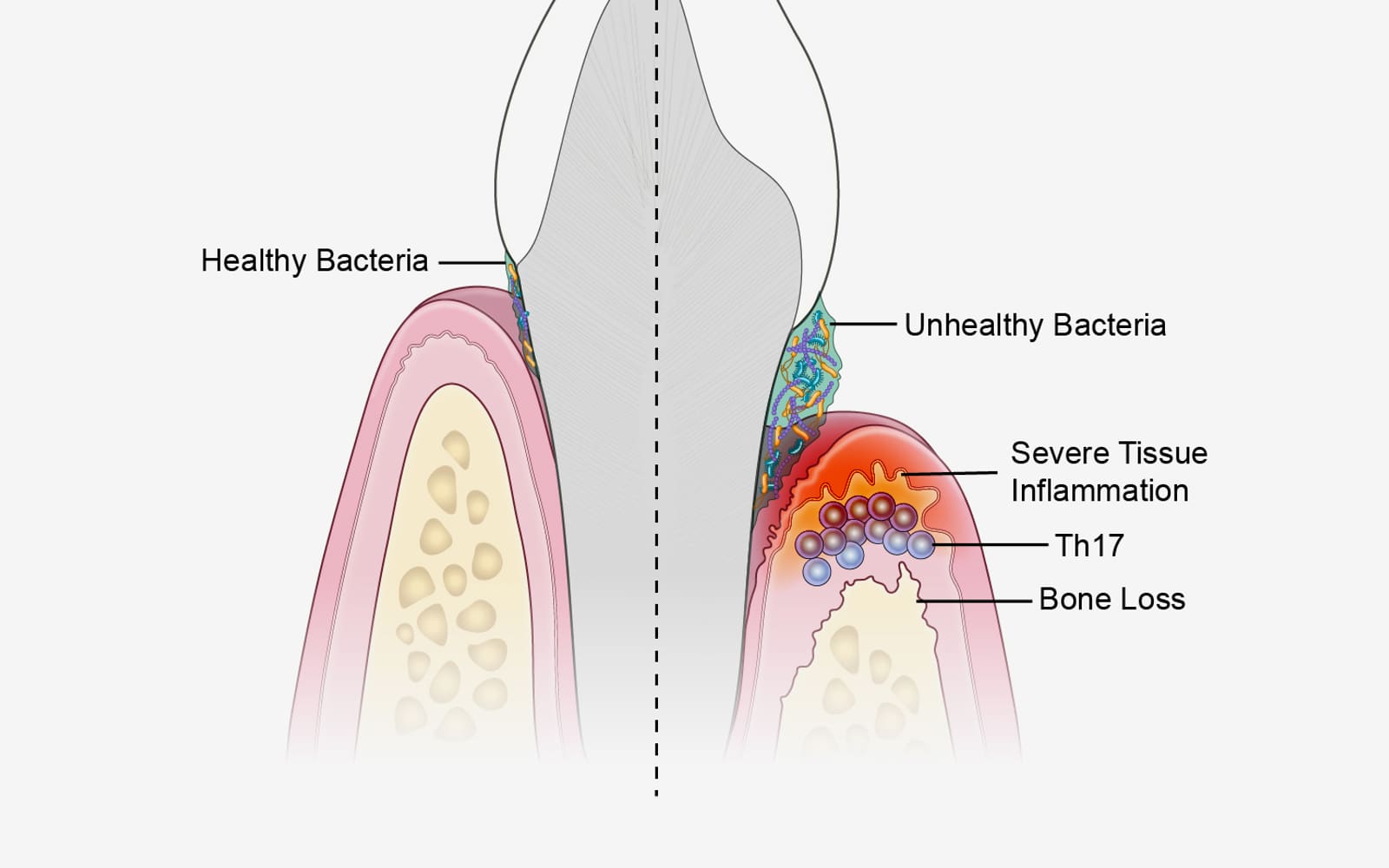
Bleeding gums are usually the earliest visible sign of gum disease, and it's far easier to reverse early than late. In most cases, bleeding when brushing or flossing points to gingivitis, inflammation caused by plaque buildup along the gumline, which is typically reversible with better oral hygiene and professional cleaning.
Benefits
- A dental exam checks gum color and firmness, measures pocketing, and assesses whether bleeding is isolated or widespread
- Professional cleaning (scaling) reaches buildup below the gumline that a toothbrush can't
- Dr Megha Kaul is a Certified NABH Accreditation Standards Professional with hands-on experience auditing clinical hygiene protocol at the hospital level
- Referral to a periodontal specialist when disease has progressed to periodontitis
What the procedure involves
- 1
Exam checking gum color, firmness, and any pocketing between gum and tooth.
- 2
Professional cleaning (scaling) to remove plaque and tartar buildup, including below the gumline.
- 3
Guidance on home care, or referral to a periodontal specialist if the disease has progressed to periodontitis.
Frequently asked questions
Are bleeding gums always a sign of gum disease?
Usually yes, at least in an early form (gingivitis). Occasional bleeding from a specific irritation can resolve on its own, but persistent bleeding warrants a check.
Can gingivitis be reversed?
Yes, caught early, gingivitis is generally reversible with improved oral hygiene and professional cleaning.
When should bleeding gums see a specialist instead of a general dentist?
If gum disease has progressed to affect the supporting bone and tissue (periodontitis), a general dentist will typically refer to a periodontal specialist for advanced treatment.
How can I prevent gum disease?
Consistent brushing and flossing, along with regular professional cleanings, are the main preventive measures.
Want the full picture? ReadGum Disease and Bleeding Gums: When to See a Dentist in Gurgaonon the N Square Dental Care blog.