
Tooth Sensitivity Treatment
Sensitivity happens when the protective layer over a tooth (enamel on top, or the gum covering the root below) wears thin enough to expose the underlying dentin, which has tiny channels leading straight to the nerve.
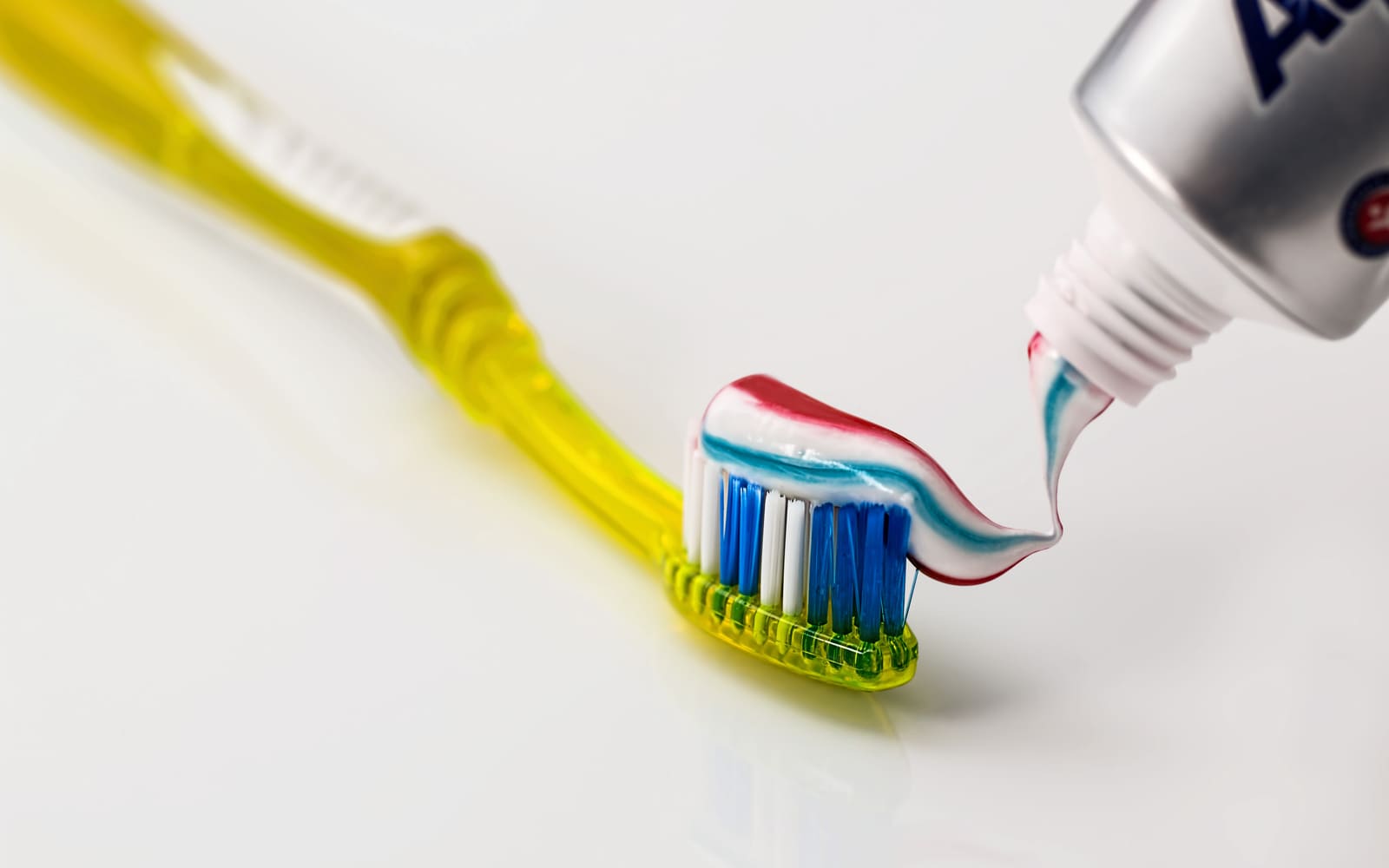
Benefits
- Desensitizing toothpaste for mild, generalized sensitivity
- In-clinic fluoride varnish or gel to strengthen enamel when toothpaste alone isn't enough
- Bonding or a filling if sensitivity traces to a specific area of exposed dentin or a worn spot
- Accurate diagnosis of the underlying cause, drawing on Dr Megha Kaul's broad restorative and endodontic background
What the procedure involves
- 1
Exam to identify the cause, enamel wear, gum recession, a cracked tooth, a failed filling, or teeth grinding.
- 2
First-line treatment with desensitizing toothpaste or in-clinic fluoride varnish for mild, generalized sensitivity.
- 3
Bonding, a filling, or treating the underlying cause directly if sensitivity traces to a specific problem.
Frequently asked questions
Why do my teeth suddenly hurt with cold or sweet food?
It usually means the protective enamel or gum covering over part of a tooth has worn down or receded, exposing the dentin layer underneath.
Is tooth sensitivity a sign of a cavity?
It can be, but it's not always, sensitivity has several possible causes. An exam is the reliable way to tell the difference.
Can sensitive teeth be treated without a filling?
Often, yes. Mild sensitivity frequently responds to desensitizing toothpaste or an in-clinic fluoride treatment without needing any restorative work.
How long does it take for desensitizing toothpaste to work?
Most people notice improvement within two to four weeks of consistent use; if there's no improvement, the underlying cause likely needs a different treatment.
Want the full picture? ReadTooth Sensitivity Treatment Near Me in Gurgaonon the N Square Dental Care blog.